Megbízható hibrid akkumulátor megoldások































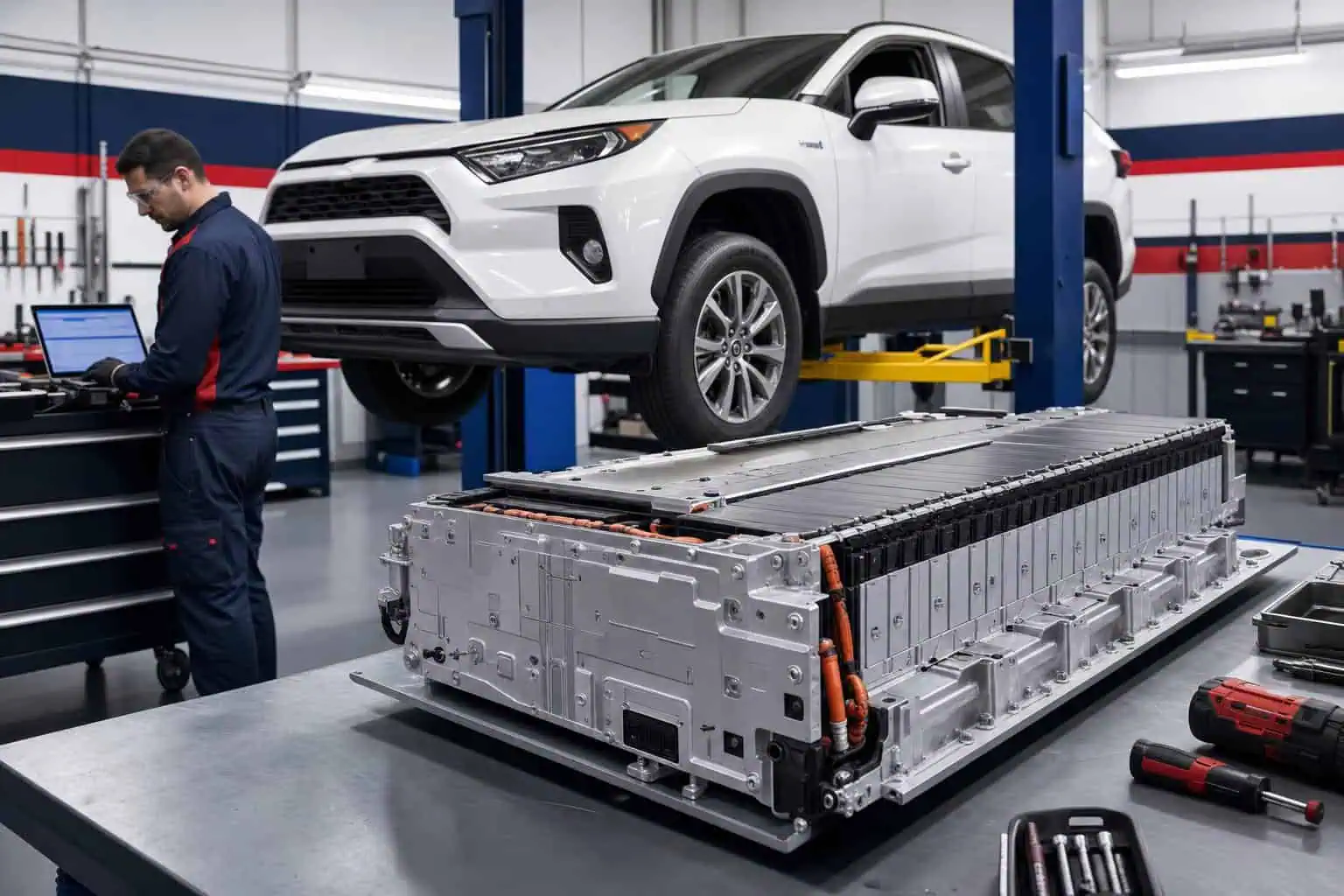
Toyota RAV4 hibrid akkumulátor csere: VIN-számmal ellenőrzött illeszkedés, költségsávok és a töltés kockázatai
Gyakorlati útmutató a Toyota RAV4 hibrid akkumulátorának cseréjéhez – beszerelési költségsávok, modellév-csomagbeli különbségek, gyári garanciaidőszakok, alapdíjak és VIN-alapú beszerzési ellenőrzések javítóműhelyek, flották és forgalmazók számára.

Toyota RAV4 hibrid akkumulátor csere jellemzően nagyjából innen indul $3,000 - $8,000 telepítve egy új csomagért, a felújított vagy újragyártott csomagokkal általában emlegetik $1500 - $3500, a széles körben hivatkozott szerint autóipari költségek lebontása. A helyes út a jármű modellévétől, a fennmaradó gyári garanciától, valamint attól függ, hogy egyetlen tulajdonosra kér-e árajánlatot, vagy a teljes flotta cseréjét tervezi-e. Ez az útmutató elmagyarázza, hogy mi a hiba valójában, hogyan változik a fedezet modellévenként, hol jelennek meg rejtett alapköltségek, valamint hogyan tudják a Kínán kívüli javítóműhelyek, flották és forgalmazók helyesen beszerezni és ellenőrizni a cserecsomagot.
Főbb tanulságok
- Egy új RAV4 hibrid csomag beszerelési költségét általában 1TP4–3000 és 1TP4–8000 között említik; a felújított csomagok költségét pedig 1TP4–1500–1TP4–3500 dollár körül.
- Az itt feltüntetett jótállási és fedezeti adatok csak illusztrációk – a fizetett munkára vonatkozó árajánlatkérés előtt mindig ellenőrizze a hibrid akkumulátor fennmaradó fedezetét az alvázszám és a szervizelés dátuma alapján.
- Néhány eredeti RAV4 akkumulátoregység alaptöltési díja körülbelül $1,350, amelyet csak akkor térítenek vissza, ha a régi csomagot a megfelelő csatornán keresztül visszaküldik.
- Az akkumulátor összetétele (NiMH vagy lítium-ion) felszereltségi szinttől, piactól és gyártási dátumtól függően változik – a pontos típust az alvázszám (VIN) alapján kell ellenőrizni, ne csak az adattábla vagy az évjárat alapján.
Mi romlik el valójában egy RAV4 hibrid akkumulátorában?
A RAV4 Hybrid vontatóakkumulátora egy nagyfeszültségű csomag, amely számos sorba kapcsolt különálló cellából (vagy modulból) áll. Üzem közben a leggyakoribb probléma nem egyetlen elhalt cella, hanem a növekvő... egyensúlyhiány modulok között. Mivel egyes modulok gyorsabban veszítenek kapacitásukból, mint mások, az akkumulátorkezelő rendszer nehezen tudja a csomagot a biztonságos üzemidő-ablakon belül tartani, és a teljesítmény észrevehetően romlik.
A tipikus helyszíni jelzések közé tartozik a csökkent üzemanyag-fogyasztás, a motor gyakoribb járatása a kompenzáció érdekében, a gyengébb elektromos rásegítés, valamint az ingadozó hibrid töltöttségi szint kijelzője. Végül megjelenik egy hibrid figyelmeztető lámpa vagy egy fő figyelmeztetés, és a diagnosztikai vizsgálat általában olyan hibakódokat ad vissza, amelyek az akkumulátorcsomagra vagy annak hűtő- és feszültségfigyelő áramköreire utalnak. Nagyobb futásteljesítményű járműveknél az eltömődött akkumulátorhűtő csatornák és az elkopott hűtőventilátorok felgyorsítják a lebomlást, ezért a megfelelő diagnózishoz mindig ellenőrizni kell a légáramlást és a modulfeszültségeket, mielőtt elítélnék az akkumulátorcsomagot.
Mivel ezek nagyfeszültségű rendszerek, a csomagok eltávolítását és telepítését képzett szakembereknek kell elvégezniük megfelelő szigetelési eljárásokat alkalmazva. Ez a cikk a kereskedelmi és beszerzési döntéseket tárgyalja, nem pedig a lépésről lépésre történő nagyfeszültségű munkákat.
Modellévbeli különbségek: ellenőrizze a kémiát és a csomagot VIN alapján
A RAV4 Hybrid akkumulátorcsomagjai generációnként jelentősen eltérnek egymástól. Az akkumulátorok felépítése, csomagolása és kémiai összetétele sokat fejlődött, és a modellév – valamint az adott felszereltségi szint és piac – megfelelő kiválasztása a legfontosabb illesztési lépés. Általános szabály, hogy a kémiai összetételt változatszinten kell kezelni: felszereltségi szinttől, piactól és gyártási dátumtól függően változik, ezért a VIN alapján ellenőrizze, ne csak a típustábla vagy az évjárat alapján.
2016–2018 (negyedik generációs hibrid)
Széles körben dokumentálják, hogy ezek a korai RAV4 hibridek nikkel-metálhidrid (NiMH) akkumulátorokat használnak. A NiMH robusztus, jól tűri a modul szintű szervizelést, és a hibrid specialisták jól ismerik. A 2017-es Toyota RAV4 hibrid akkumulátorcserét kereső vásárlóknak figyelembe kell venniük, hogy az OKACC-től származó csomagok... RAV4 Az adott évek hibrid akkumulátor-kategóriájának meg kell egyeznie a generáció megfelelő csatlakozóelrendezésével, modulszámával és hűtési elrendezésével – ellenőrizze a pontos referenciát az aktuális OKACC termékadatokkal.
2019–2022 (ötödik generációs, TNGA platform)
Az újratervezett RAV4 Hybrid a korábbi generációtól eltérő csomagcsomagolást, rögzítést és vezérlőelektronikát használ. A kémiai összetétel nem egységes ebben az időszakban: míg számos hibrid felszereltségi szint NiMH akkumulátorral van dokumentálva, egyes felszereltségi szintek, gyártási dátumok és piacok lítium-ion akkumulátorral szállítottak, a plug-in RAV4 Prime (kb. a 2021-es modellévtől) pedig lítium-ion csomagot használ. Egy olyan csomag, amely fizikailag hasonlít egy régebbi vagy szomszédos egységre, nem automatikusan felcserélhető, ezért a forgalmazóknak a pontos alkatrész-referenciát és a kémiai összetételt a konkrét alvázszám és a forgalomba helyezési év alapján kell megerősíteniük, ahelyett, hogy kizárólag a modellév alapján feltételeznének egy kémiai összetételt.
Későbbi modellévek
A későbbi RAV4 hibrid és plug-in változatoknál a kémiai összetétel továbbra is változik a felszereltségtől, a piactól és a gyártástól függően, és a lítium-ion akkumulátor számos konfigurációban megjelenik. A lítium-ion és a NiMH csomagok nem felcserélhetők, és szervizelési, szállítási és kezelési követelményeik eltérőek. RAV4 vásárlásakor mindig ellenőrizze, hogy az adott alvázszámú akkumulátor NiMH vagy lítium-ion csomagot tartalmaz-e, mielőtt bármit is beszerezne.
A RAV4 Prime (plug-in) egy különálló architektúra
A B2B vásárlók gyakran összekeverik a RAV4 Hybridet a plug-in RAV4 Prime-mal. A Prime egy nagyobb, nagyobb energiájú lítium-ion akkumulátort használ, eltérő architektúrával és kezelési profillal, és a hagyományos hibridtől különálló beszerzési esetként kell kezelni – soha ne feltételezzük, hogy egy hibrid akkumulátor illik egy Prime-hoz, vagy fordítva.
Teljes körű javítást értékelő műhelyek számára hibrid akkumulátor termékcsalád A RAV4 modellévekre vonatkozó gyakorlati szabály egyszerű: a beszerzési döntések az alvázszámmal (VIN) és a megerősített csomagtípussal kezdődnek, soha nem pusztán a modellnévvel.
Toyota gyári garancia: ellenőrizze az alvázszámot (VIN) a fizetős csere ajánlattétele előtt
Mielőtt cserealkatrészért számlát adna az ügyfélnek, ellenőrizze, hogy a csomag még mindig érvényes-e. A Toyota szabványos szövetségi hibrid akkumulátor-kibocsátási garanciáját általában a következőképpen emlegetik: 8 év vagy 160 000 km az eredeti üzembe helyezési dátumtól kezdve, egészen 10 év vagy 150 000 mérföld CARB államokban, a harmadik fél által közzétett összefoglaló szerint jótállási áttekintések. Külön, egy továbbfejlesztett 10 év vagy 240 000 km A gyártóval kapcsolatos hibákra vonatkozó hibrid akkumulátor-garanciáról széles körben azt írják, hogy egy adott modellévtől (általában 2020-as modellévtől) érvényes, a harmadik fél által közzétett leírásoknak megfelelően. jótállási összefoglalók.
Mindezek az adatok illusztrációk, és piaconként, modellévenként, valamint attól függően, hogy kiterjesztett vagy átruházható garancia vonatkozik-e rájuk, változhatnak; ezeket csak tájékoztató jellegűnek kell tekinteni. Bármely adott járműre vonatkozóan a mérvadó választ a Toyota garancianyilvántartása adja meg, amely az adott alvázszámhoz és üzembe helyezés dátumához kapcsolódik. Az egyik leggyakoribb – és leginkább elkerülhető – hiba, amit egy szerviz elkövethet.
Gyakorlati szabály: Rögzítse az alvázszámot (VIN) és a forgalomba helyezés dátumát, erősítse meg a fennmaradó fedezetet a megfelelő Toyota csatornán vagy az Ön régiójában illetékes hivatalos forgalmazón keresztül, és dokumentálja azt, mielőtt fizetett árajánlatot nyújtana be.
Pótlási költség lebontása útvonal szerint
Négy gyakori csereút létezik, mindegyik eltérő telepítési költségprofillal és kockázati kitettséggel. Az alábbi tartományok a gyakran idézett harmadik féltől származó adatokat tükrözik, és nem OKACC árak.
| Csereút | Tipikus telepítési tartomány (idézve) | Általában benne van | Gyakran kizárva |
|---|---|---|---|
| Márkakereskedő által beszerelt új OEM csomag | $3,000–$8,000 felső határa | Csomagolás, munka, rendszerellenőrzés/ellenőrzés | Alapdíj kezelés, előzetes diagnosztikai díj |
| Független műhely, új OEM-specifikációjú csomag | Közepes $3 000–$8 000 tartomány | Csomagolás, munka, ellenőrző szkennelés | Diagnosztikai díj, hűtési alkatrészek szükség esetén |
| Felújított csomag | ~$1500–$3500 | Reman csomag, munkaerő | Változó garancia, esetleges központi költség |
| Használt / roncscsomag | Legalacsonyabb, erősen változó | Csak csomag | Garancia, állapotgarancia, ellenőrzés |
Az árajánlatok közötti eltérést két dolog befolyásolja leginkább: az egyik, hogy új vagy használt akkumulátorról van-e szó, a másik, hogy az árajánlat tartalmazza-e az alaptöltést és a diagnosztikai időt. Egy felújított vagy bontott akkumulátor papíron vonzónak tűnhet, de a fennmaradó élettartama és a garanciája sokkal kevésbé kiszámítható, mint egy új akkumulátoré, ami nagyban számítja a flottákat, amikor számos járműre kiterjedően számolják a teljes tulajdonlási költséget.
Azoknak a vásárlóknak, akik kifejezetten a 2022-es Toyota RAV4 hibrid akkumulátorcsere költségét mérlegelik, ugyanilyen széles sávra kell számítaniuk, és az új csomagok a magasabb árkategóriába eshetnek a generációs csomagolástól és az elektronikától függően.
A mag-töltés csapda
A vételár egy visszatérítendő letét, amelyet az akkumulátoregység árához adnak hozzá, hogy garantálják a régi csomag visszaküldését újrahasznosítás és újragyártás céljából. Néhány eredeti RAV4 hibrid akkumulátoregység listáján a vételár körülbelül ... $1,350, csak akkor téríthető vissza, ha a használt csomagot a megfelelő cserecsatornán keresztül küldik vissza, egy harmadik fél szerint költségbontás.
Ez két szempontból is váratlanul éri a vásárlókat. Először is, a kiállított számla sokkal magasabbnak tűnik a vártnál. Másodszor, ha a régi csomag sérült, hiányos, vagy nem kerül visszaküldésre a szállító által megadott időn belül, a foglaló összege nem feltétlenül térül meg teljes egészében. Az üzletek és a forgalmazók számára a javítás eljárási jellegű: meg kell erősíteniük a csomag összegét, a visszaküldési határidőt, az állapotkövetelményeket, és azt, hogy ki fizeti a visszaküldés szállítási költségeit. előtt a csomag kiszállításra kerül – és ezt építsd be az ügyfél árajánlatába, hogy ne érjenek meglepetések.
Munkaügyi és bevásárlási idővel kapcsolatos elvárások
A RAV4 Hybrid csomag cseréje nem gyors feladat, és a tényleges szervizidő a generációtól, a felszereltségtől és attól függ, hogy a hűtőkomponensek vagy a kábelkötegek igényelnek-e figyelmet. Nem ismerünk egyetlen megbízható, közzétett munkaóra-tartományt, amely az összes RAV4 Hybrid generációra érvényes lenne, ezért a csomagolt munkaidő-adatokat körültekintően kezelje, és a saját dokumentált szervizidejére támaszkodjon. Mivel a munka nagyfeszültségű leválasztást, ellenőrző vizsgálatokat és a csatlakozók gondos visszahelyezését foglalja magában, készítsen olyan árajánlatot, amely különválasztja a csomag költségét, a munkaórákat, a telepítés előtti diagnosztikai időt és az esetleges fogyóeszközöket. Ha mindent egyetlen számba foglalunk össze, az megnehezíti az ügyfél számára az érték megértését – és az Ön számára is megnehezíti a becslés megvédését, ha egy összehasonlító árajánlat csak a csomagra vonatkozóan alacsonyabb árat kínál.
Új, OEM-specifikációjú csomagok kontra felújított és használt csomagok: teljes tulajdonlási költség
A legolcsóbb árajánlat ritkán a legolcsóbb eredmény. Egy használt vagy ismeretlen előzményű csomagban már előfordulhat ugyanaz a modul-egyensúlyhiány, ami az eredetit is elpusztította, ami ismételt meghibásodást és rövid időn belül egy második munkadíjat jelent. Az újragyártott csomagok nagyban különböznek: egyes beszállítók magas színvonalon, tesztelt modulokkal újítanak fel, mások nem, és a garanciális feltételek is jelentősen eltérnek egymástól.
Az új, az OEM specifikációi szerint gyártott akkumulátor kiküszöböli a cellák korával és állapotával kapcsolatos találgatásokat, ezért a flották és a garanciatudatos műhelyek gyakran a magasabb ár ellenére is szabványosan vásárolnak új akkumulátorokat. Az OKACC kellékei vadonatúj, OEM-specifikációjú NiMH hibrid akkumulátorok cseréje úgy tervezték, hogy megfeleljen az OEM specifikációknak – új egységként vannak elhelyezve, soha nem felújítva, újjáépítve vagy újragyártva. Az OKACC gyártási és tesztelési megközelítését a következő oldalon tekintheti meg: OKACC minőségbiztosítás oldalt, és hasonlítsa össze a specifikációkat a célzott modellévekkel.
Beszerzési szempontok Kínán kívüli üzletek és flották esetében
A nemzetközi vásárlók számára a beszerzési döntés legalább annyira a dokumentációról és a logisztikáról szól, mint magáról a csomagolásról. Egy jól működő beszerzési folyamat csökkenti a visszaküldések, a garanciális viták és a szállítási késedelmek számát.
- Illesztés ellenőrzése: Ellenőrizze, hogy az akkumulátor pontosan megegyezik-e a modellévvel, a piaccal és az akkumulátor típusával (NiMH vagy lítium-ion), ideális esetben a VIN-számmal vagy az eredeti alkatrész-referenciákkal összehasonlítva.
- Garancia dokumentáció: A jótállási feltételeket – az időtartamot, a fedezetet és a reklamáció menetét – vásárlás előtt, ne pedig meghibásodás után szerezze be.
- Szállítási megfelelőség: A hibrid vontatóakkumulátorok szállítása szabályozott. Győződjön meg arról, hogy a szállítója biztosítani tudja a veszélyes áruk megfelelő dokumentációját és csomagolását, amely megfelel az útvonalára vonatkozó nemzetközi légi és tengeri szállítási szabályoknak.
- Beszállítói ellenőrzés: az ellátás következetességének, a minőségellenőrzési bizonyítékoknak és a flotta modellév-variációinak alátámasztására való képességének felmérése.
Amikor készen áll a mennyiségek és a modellévek megadására, akkor kérjen műszaki árajánlatot Tehát a beszerzési beszélgetés a feltételezések helyett a megerősített illeszkedéssel kezdődik.
Vevői ellenőrzőlista a pótárajánlat engedélyezése előtt
- Megerősítetted az alvázszámot, a modellévet és a csomag kémiai összetételét?
- A jármű továbbra is a gyári hibrid akkumulátor-fedezet hatálya alá tartozik az adott piacon?
- Kizárta-e egy megfelelő diagnosztika a hűtési, ventilátor- vagy kábelköteg-hibákat a csomag elítélése előtt?
- Az árajánlat különválasztja a csomagolást, a munkadíjat, a diagnosztikai időt és az esetleges alapdíjat?
- Dokumentálva van a törzsvásárlói díj összege, a visszaküldési határidő és a szállítási felelősség?
- A cserecsomagra vonatkozó garancia le van írva és érthető?
- Flották esetében: a választott útnak van-e értelme a teljes birtoklási költség, nem csak a főárak tekintetében?
Ha bármelyik válasz nem világos, oldja meg a feladat engedélyezése előtt. Segítségre van szüksége a modellévek és az elérhető csomagok párosításához? Megteheti. vegye fel a kapcsolatot az OKACC-vel az alvázszám listájával és a követelményeivel.
Gyakran ismételt kérdések
Mennyibe kerül egy Toyota RAV4 hibrid akkumulátor csere?
A harmadik féltől származó költségelemzések általában nagyjából 4T3000 és 4T8000 közötti összeget említenek egy új akkumulátor beszerelésekor, és körülbelül 4T1500 és 4T3500 közötti összeget egy felújított akkumulátor beszerelésekor. A tényleges költség a modellévtől, a műhelyi munkadíjaktól, a diagnosztikai időtől és az esetleges alapdíjaktól függ. Ezek általános referenciatartományok, nem OKACC árak.
A RAV4 hibrid akkumulátorára vonatkozik a garancia?
A Toyota szabványos szövetségi hibrid akkumulátor-kibocsátási garanciája gyakran 8 év vagy 160 000 km garanciát jelent, amely a CARB államokban 10 évre vagy 240 000 km-re bővíthető, egy adott modellévtől kezdődően pedig kiterjesztett 10 év/240 000 km garanciát is széles körben emlegetnek. Ezek az adatok tájékoztató jellegűek; a fizetős cserealkatrész ajánlattétele előtt mindig ellenőrizze a pontos fedezetet az alvázszám és a forgalomba helyezés dátuma alapján a jármű piacán.
Egy 2017-es RAV4 hibrid ugyanazt az akkumulátort használja, mint egy 2022-es?
Nem. A 2016–2018-as és a 2019–2022-es generációk eltérő csomagolást és elektronikát használnak, így az akkumulátorok nem cserélhetők fel, még akkor sem, ha mindkettő NiMH akkumulátorral működik. A kémiai összetétel a felszereltségtől, a piactól és a gyártási dátumtól függően is változhat, ezért a RAV4 nevére vagy modellévére való kizárólagos támaszkodás helyett az alvázszám alapján ellenőrizze mind az illeszkedést, mind a pontos akkumulátortípust.
Mi az a törzsvásárlói díj, és hogyan kerülhetem el a vele járó problémákat?
A foglaló egy visszatérítendő letét, amely garantálja, hogy a régi csomagot visszaküldik újrahasznosításra. Egyes eredeti RAV4 egységekhez körülbelül $1,350 foglalói díjat számítanak fel. A csomag kiszállítása előtt ellenőrizze az összeget, a visszaküldési határidőt, az állapotkövetelményeket és a szállítási felelősséget, hogy a foglalót visszatérítsék, és ne érjék meglepetések a számlán.
Az új csomagok többet érnek, mint a felújított vagy használt?
A garanciatudatos műhelyek és flották számára az új akkumulátorok megszüntetik a cellák korával és hátralévő élettartamával kapcsolatos bizonytalanságot, ami gyakran a magasabb ár ellenére is csökkenti a teljes tulajdonlási költséget. A használt és bontott akkumulátorok a legolcsóbbak, de a legnagyobb az ismételt meghibásodás és a többletmunka kockázata.
A RAV4 Prime és a RAV4 Hybrid akkumulátor-beszerzése megegyezik?
Nem. A plug-in RAV4 Prime egy nagyobb, energiájúbb lítium-ion akkumulátort használ, amelynek architektúrája és kezelési profilja eltér a hagyományos RAV4 Hybridétől. Tekintsd a kettőt különálló beszerzési esetként, és soha ne feltételezd, hogy egy hibrid akkumulátor illik egy Prime-hoz, vagy fordítva.
Tud-e az OKACC RAV4 hibrid cserecsomagokat szállítani?
Az OKACC vadonatúj, OEM-specifikációjú NiMH hibrid akkumulátorokat kínál, amelyeket az OEM-specifikációknak megfelelően terveztek. Rendelés előtt ellenőrizze a pontos modellév illeszkedését, a csomag kémiai összetételét, a specifikációkat és a jótállási feltételeket az aktuális OKACC termékadatokkal egy műszaki árajánlat kérésével.
A RAV4 hibrid akkumulátorának megfelelő cseréjének kiválasztása fegyelmezett ellenőrzésen múlik: a modellév és a csomag típusának ellenőrzése alvázszám (VIN) alapján, a fennmaradó gyári garancia ellenőrzése, átlátható árajánlat a munkadíjra és az alapköltségekre vonatkozóan, valamint az új, a felújított vagy a használt akkumulátorok mérlegelése a teljes birtoklási költség tekintetében. Ha ezeket a lépéseket helyesen hajtja végre, a csere kiszámítható, védhető döntéssé válik, nem pedig találgatássá.