Надежные решения для гибридных аккумуляторов































Замена батареи в гибридном автомобиле Honda Civic: руководство по подбору и закупке для бизнеса (2003–2013 гг.)
Практическое справочное пособие для бизнеса (B2B) по подтверждению совместимости, поиску блоков IMA, оценке поставщиков и обеспечению безопасности при работе с высоковольтным оборудованием при замене гибридных батарей Honda Civic, с рекомендациями по химическому составу для каждого поколения (2003–2013 гг.).

Замена гибридной батареи Honda Civic подразумевает установку совместимого высоковольтного блока IMA (Integrated Motor Assist), который точно соответствует году выпуска, поколению, химическому составу и корпусу автомобиля. Для ремонтных мастерских, дистрибьюторов и корпоративных покупателей успех зависит не столько от торговых марок, сколько от трех проверок: подтверждения правильности комплекта IMA для конкретного поколения Civic, проверки химического состава элементов и архитектуры напряжения, а также выбора поставщика, который может документально подтвердить свой контроль качества и безопасную трансграничную логистику.
Данное руководство предназначено для профессиональных покупателей за пределами Китая, которые занимаются оценкой, импортом, установкой или подбором сменных блоков. В нем рассматриваются вопросы подтверждения совместимости, какие вопросы задавать поставщикам, а также как управлять ожиданиями в отношении безопасности и послепродажного обслуживания. В нем не приводятся инструкции для самостоятельной установки потребителями, поскольку блоки IMA несут в себе смертельно опасное высокое напряжение и должны использоваться квалифицированными специалистами. При описании технических характеристик ниже следует руководствоваться общепринятой отраслевой практикой и перед заказом сверять каждую спецификацию с сервисной документацией Honda и конкретным автомобилем.
Что представляет собой гибридная батарея Honda Civic на самом деле
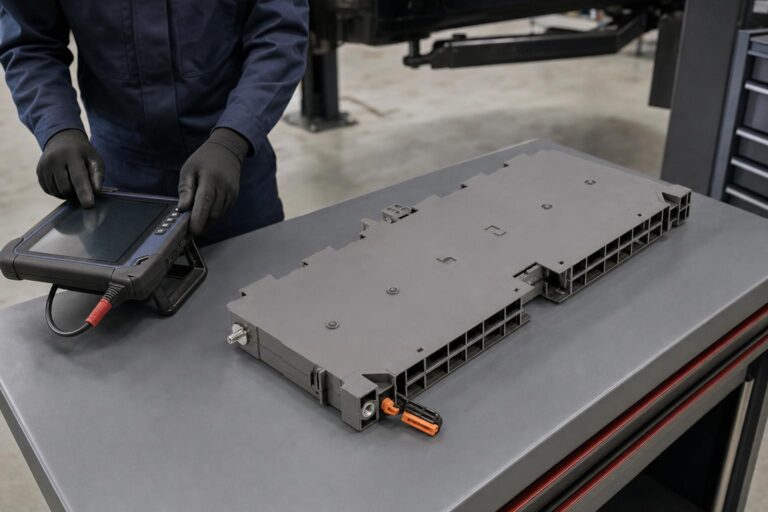
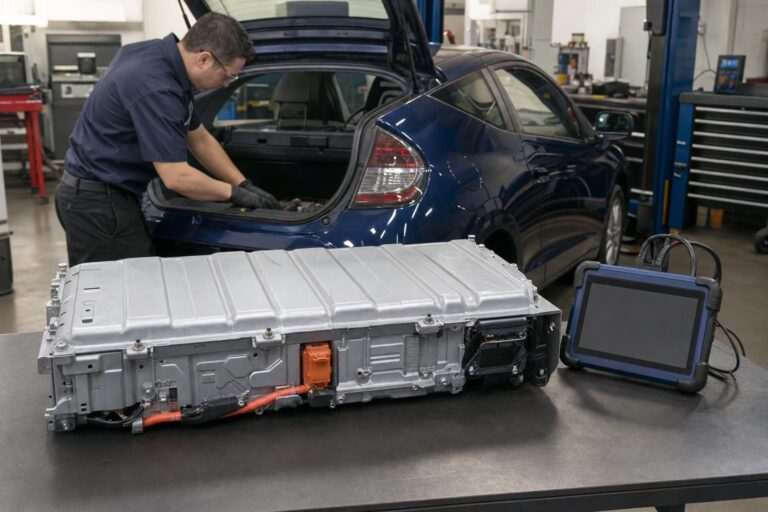
В Honda Civic Hybrid используется система IMA от Honda, в которой компактный электродвигатель расположен между двигателем внутреннего сгорания и трансмиссией и получает энергию от высоковольтного аккумуляторного блока. Этот блок обычно называют... Батарея IMA или, в неформальном смысле, батарея гибридного Civic. В общих чертах, блок представляет собой последовательно соединенный набор ячеек-модулей с системой управления и корпусом, включающим систему охлаждения.
Химический состав различается в зависимости от поколения, и это различие имеет решающее значение как для совместимости, так и для логистики. Как правило, в отрасли принято считать, что покупатели должны сверять данные с документацией Honda по каждому VIN-номеру:
- 2003–2011 (ранние и средние поколения IMA): Эти блоки, как правило, представляют собой никель-металлгидридные (NiMH) сборки.
- 2012–2013 (позже, девятое поколение IMA): Как правило, в этом поколении используются литий-ионные аккумуляторы типа IMA, а не NiMH. Доступность и названия более поздних поколений различаются в зависимости от рынка, поэтому перед запросом цены уточните химический состав по VIN-номеру.
Для покупателей наиболее важны два момента:
- Поколение, а не просто год. Гибридный Civic представлен несколькими поколениями. Более ранние батареи (примерно 2003–2005 годов выпуска) физически и электрически отличаются от батарей поколения 2006–2011 годов, которые, в свою очередь, отличаются от батарей более позднего поколения 2012–2013 годов. Батареи гибридного Honda Civic 2007 года и Civic 2012 года не взаимозаменяемы и даже не имеют одинакового химического состава.
- Архитектура упаковки. Количество модулей, номинальное напряжение, тип разъема и геометрия корпуса различаются в зависимости от поколения. Подтверждение этих параметров позволяет избежать дорогостоящих возвратов.
Никогда не смешивайте модули или элементы разных поколений или с разным химическим составом. Сочетание никель-металлгидридных (NiMH) и литий-ионных (LiMI) элементов, или модулей с различной архитектурой батарейного блока, небезопасно и не обеспечит корректной работы. Поскольку батарея IMA интегрируется в высоковольтную цепь автомобиля и взаимодействует с системами управления батареей и двигателем, физически аналогичная батарея другого поколения может быть электрически несовместима.
Как подтвердить совместимость автомобиля и аккумулятора
Перед тем как сделать запрос или оформить заказ, подтвердите совместимость, используя данные, относящиеся к конкретному автомобилю, а не только название модели. Структурированный процесс приема заказов снижает количество ошибок при отгрузке и споров по гарантии. Для получения информации о совместимости см. наше руководство по совместимости гибридных батарей.
Шаг 1: Зафиксируйте идентификационные данные транспортного средства.
- VIN. Идентификационный номер транспортного средства (VIN) — это наиболее надежный источник информации о поколении, химическом составе, рынке и характеристиках сборки. Требуйте от каждого клиента или филиала предоставить его.
- Год выпуска и рынок. Запрос, зарегистрированный как замена батареи гибридного автомобиля Honda Civic 2006 года выпуска или сокращенно как замена батареи Civic 2008 года, все равно должен быть привязан к VIN-номеру, поскольку существуют региональные варианты.
- Оригинальный номер детали. При наличии, запишите номер этикетки или детали, указанный на имеющейся упаковке.
Шаг 2: Согласуйте физический и электрический интерфейсы.
Сравните эти характеристики с характеристиками кандидата на замену:
- Химический состав элементов (никель-металлгидридные или литий-ионные), соответствующий данному поколению.
- Габариты корпуса и точки крепления
- Количество модулей и номинальное напряжение батареи.
- Высоковольтный разъем и низковольтный разъем управления
- Интерфейс воздуховода системы охлаждения и вентилятора
- Местоположение и тип отключения электропитания
Шаг 3: Подтвердите ожидания системы управления.
Некоторые запасные части поставляются в виде комплектных узлов, включая монитор состояния батареи; в других случаях предполагается, что мастерская перенесет имеющуюся электронику. Уточните это в письменном виде до покупки, чтобы установщик не остался без необходимого компонента.
Варианты замены и вопросы, связанные с поставками.
Профессиональные покупатели обычно оценивают несколько вариантов замены. Каждый из них предполагает компромиссы в отношении стоимости, сроков поставки, стабильности качества и гарантийных обязательств.
| Вариант | Типичные сильные стороны | Типичные компромиссы | Наилучший вариант для |
|---|---|---|---|
| Совершенно новый сменный комплект | Стабильное состояние элементов; предсказуемая производительность; более чистая гарантийная основа. | Более высокая себестоимость единицы продукции; доступность зависит от поколения. | Магазины и автопарки отдают приоритет надежности и низкому проценту возвратов. |
| Восстановленный/перебранный комплект | Более низкая первоначальная стоимость; возможность повторного использования корпуса. | Качество подбора и сортировки клеток сильно различается у разных поставщиков. | Работа, требующая высокой эффективности с точки зрения стоимости, но с хорошей документацией. |
| Б/у / аварийный комплект | Самая низкая стоимость; быстро для большинства поколений. | Остаточная мощность неизвестна; наивысший риск отказов и возникновения споров. | Только для временного или малоэффективного применения. |
| Поставка отдельных модулей | Обеспечивает возможность целенаправленного ремонта | Требуется квалифицированная балансировка и тестирование в лаборатории; необходимо обеспечить соответствие химическому составу и году производства. | Передовые предприятия по восстановлению оборудования с испытательным оборудованием. |
При сравнении поставщиков услуг по замене батареи для гибридного Civic, не стоит ориентироваться только на заявленную цену. Общая стоимость включает в себя фрахт, обработку опасных грузов, импортные пошлины, оплату труда монтажников и финансовые риски в случае преждевременного выхода из строя. Немного более высокая цена за единицу товара с документально подтвержденными испытаниями часто приводит к снижению стоимости успешной установки. Для сравнения цен по различным моделям, см. наш сравнительный анализ стоимости замены батареи для гибридных автомобилей.
Контрольный список для контроля качества и оценки поставщиков
Используйте этот контрольный список для проверки поставщика перед размещением крупных заказов. Запрашивайте письменные ответы, а не устные заверения.
- Прослеживаемость: Может ли поставщик связать каждую упаковку с партией, протоколом испытаний и спецификацией, специфичной для конкретного поколения, включая химический состав?
- Документация о состоянии ячейки: Для новых аккумуляторных блоков, какой источник элементов и классификация используются? Для восстановленных блоков, как осуществляется подбор модулей и какой пороговый уровень емкости применяется?
- Завершающее тестирование производственной линии: Проверяется ли каждый аккумулятор перед отправкой на емкость, внутреннее сопротивление и балансировку, и предоставляется ли протокол испытаний?
- Точность корпуса и разъемов: Соответствуют ли разъемы, интерфейсы охлаждения и точки крепления целевому поколению?
- Соответствие требованиям безопасности: Соблюдает ли поставщик надлежащие правила упаковки опасных грузов для конкретного химического состава (никель-металлгидридные или литий-ионные) во время транспортировки?
- Условия гарантии: Что покрывается страховкой, на какой срок и какие доказательства необходимы для подачи заявления?
- Возврат и обработка дефектов: Каков документированный процесс и сроки возврата неисправных при поступлении единиц техники?
- Поддержка совместимости: Поможет ли поставщик решить вопросы совместимости, используя VIN-коды?
Компетентный поставщик уверенно и в письменной форме отвечает на эти вопросы. Уклонение от ответа на вопросы о тестировании или отслеживаемости является веским сигналом к тому, чтобы поискать другого поставщика.
Монтаж, диагностика и безопасность при работе с высоковольтным оборудованием.
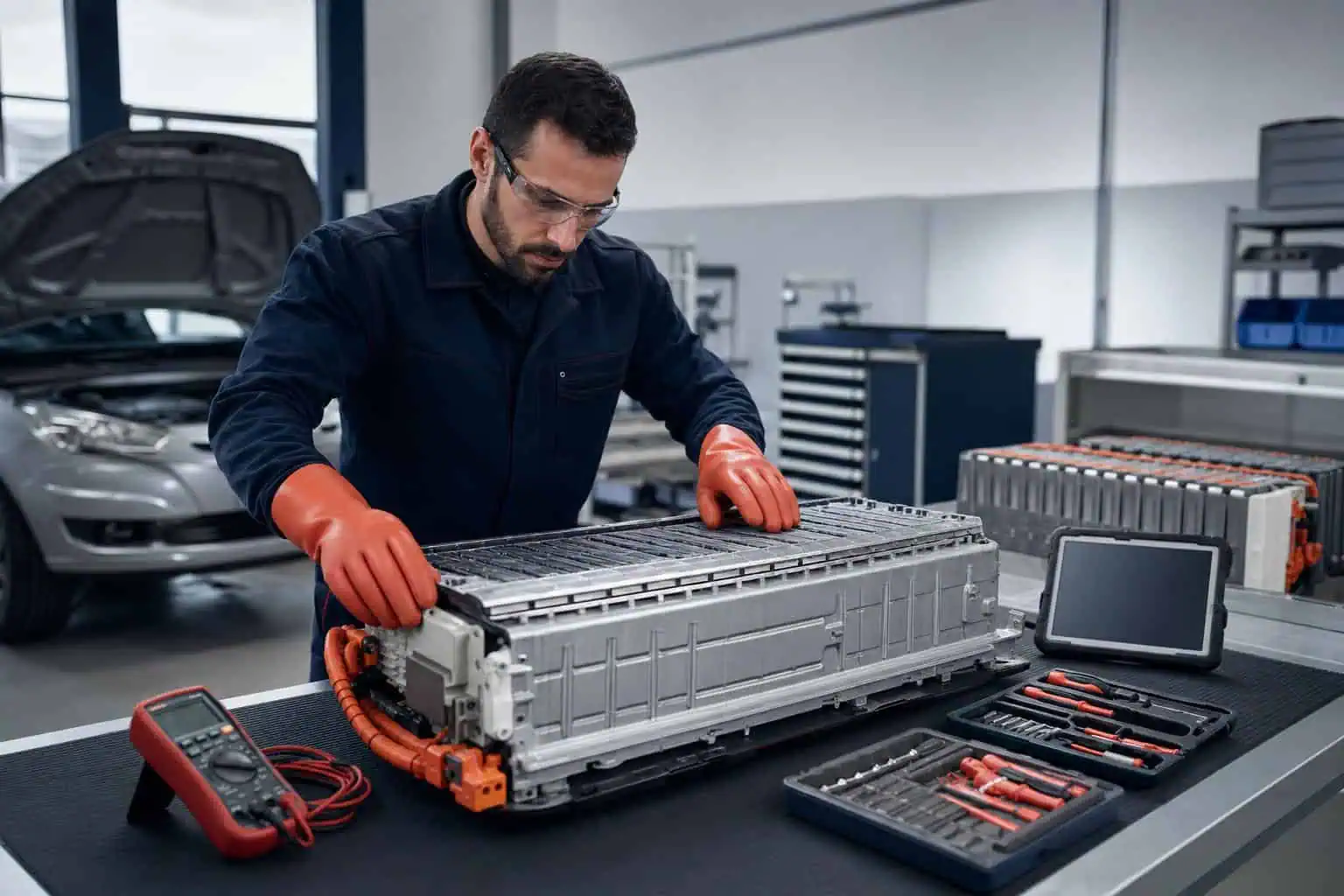
Блоки IMA работают при напряжениях, которые могут привести к серьезным травмам или смерти; работать с ними должны только специалисты, прошедшие обучение работе с высоковольтным оборудованием. В этом разделе описаны требования, предъявляемые к специалистам, а не инструкция для самостоятельного выполнения. Для получения более подробной информации о рабочем процессе см. наш обзор диагностики гибридных батарей.
Диагностический контекст перед заменой
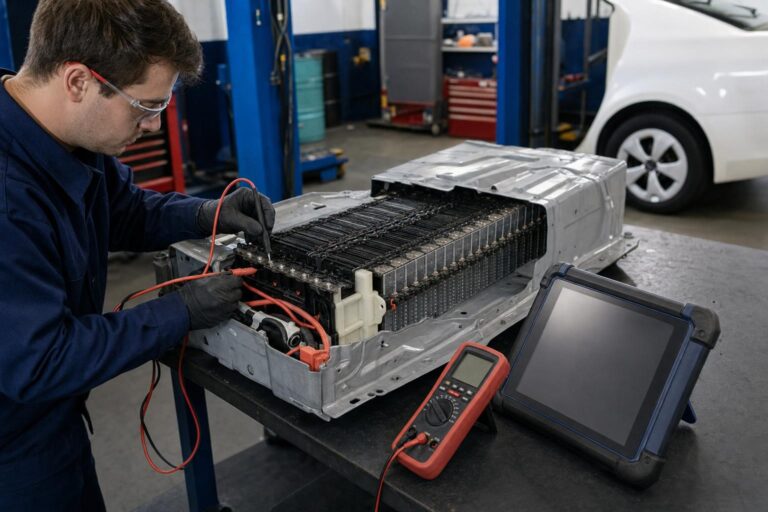
Предупреждение на приборной панели гибридного автомобиля не означает автоматически необходимость замены аккумуляторной батареи. Профессиональные автосервисы подтверждают неисправность с помощью диагностического сканера, способного считывать PID-коды гибридных систем Honda, и анализируют сохраненные коды неисправностей вместе со специфическими параметрами IMA, такими как разница напряжений в модулях батареи и состояние заряда. Неисправности системы охлаждения, проблемы с модулем управления или проблемы с проводкой могут имитировать деградацию батареи. Замена исправной батареи из-за несвязанной неисправности приводит к ненужным гарантийным претензиям и спорам с клиентами. Эти пункты проверки описывают профессиональную диагностическую практику и не являются инструкциями для потребителей.
Принципы безопасного обращения
Эти принципы отражают общую практику обслуживания высоковольтного оборудования, описанную в сервисной документации производителей транспортных средств и общепризнанных рекомендациях по безопасности:
- Используйте изолированные инструменты и соответствующие средства индивидуальной защиты.
- Перед началом любых работ необходимо отключить высоковольтную систему и задействовать разъединитель питания.
- Перед тем как прикасаться к высоковольтным клеммам, убедитесь в отсутствии напряжения.
- Следуйте последовательности выключения и блокировки, указанной производителем транспортного средства.
- Хранить и транспортировать упаковки следует в утвержденных контейнерах, обеспечивая защиту терминалов от коротких замыканий.
После установки
Ожидайте, что системе потребуется период подготовки или калибровки, и убедитесь, что после дорожных испытаний не осталось кодов ошибок. Задокументируйте установку, включая идентификатор комплекта и данные тестирования, для обоснования любых будущих гарантийных случаев.
Вопросы гарантии, логистики и послепродажного обслуживания.
Высоковольтные устройства классифицируются как опасные грузы для международных перевозок, и применимые правила зависят от химического состава. В качестве общей нормативной базы покупателям следует уточнить у своего экспедитора информацию о конкретном виде и маршруте перевозки:
- NiMH аккумуляторы (2003–2011): Для морских перевозок они, как правило, относятся к типу UN 3496 (аккумуляторы, никель-металлгидридные), а упаковка и размещение осуществляются в соответствии с Кодексом IMDG.
- Литий-ионные аккумуляторы (2012–2013 гг.): Как правило, они классифицируются по стандарту UN 3480 (литий-ионные батареи), класс 9, и обычно имеют ограничения по уровню заряда и особые требования к упаковке для авиаперевозок в соответствии с Правилами IATA по опасным грузам, а также требованиями DOT/PHMSA и IMDG в зависимости от вида транспорта.
Поскольку эти режимы существенно различаются, не следует предполагать единый, универсальный подход к обработке грузов. Убедитесь, что ваш поставщик и транспортный партнер применяют правильные требования, специфичные для конкретного химического вещества, поскольку несоответствие требованиям при транспортировке может привести к задержкам на таможне, штрафам или отказу в доставке.
Перед оптовым импортом уточните следующие моменты:
- Стандарт упаковки: Подходят ли поставляемые в соответствующей требованиям, защищенной от повреждений упаковке для химического состава, способа транспортировки и уровня заряда?
- Документация: Предоставляются ли декларации об опасных грузах, счета-фактуры и технические характеристики в форме, приемлемой для вашего таможенного брокера?
- Сроки поставки и наличие товара по поколениям: Некоторые поколения аккумуляторов распространяются быстрее, чем другие; следует учитывать менее распространенные годы выпуска, такие как 2003–2004 годы или более позднее поколение литий-ионных аккумуляторов.
- Администрирование гарантий: Кто проводит осмотр заявленной неисправности, и кто оплачивает обратную доставку?
- Стабильность партии: При повторных заказах технические характеристики, химический состав и параметры разъема останутся неизменными?
Согласование этих пунктов в письменном соглашении о поставках защищает как прибыль, так и репутацию, особенно для магазинов, которые предлагают собственную гарантию на работы в дополнение к гарантии на упаковку.
Краткий справочник по модельным годам для покупателей
Когда сотрудники приемной регистрируют запрос — будь то запрос на замену батареи для гибридного Honda Civic 2009 года, запрос на батарею для модели 2005 или 2010 года, или запрос на батарею для гибридного Civic 2013 года — год следует рассматривать только как отправную точку, а определение типа батареи всегда должно основываться на поколении, типе батареи и VIN-коде. Наиболее распространенная группа, с которой работают покупатели, выглядит следующим образом:
- 2003–2005 (NiMH): Более ранние поколения IMA; внимательно проверьте детали корпуса и разъема.
- 2006–2008 (NiMH): Годы с высоким объемом продаж; одни из самых востребованных наборов, включая выпуски 2006, 2007 и 2008 годов.
- 2009–2011 (NiMH): Продолжение поколения IMA среднего уровня; модели 2009, 2010 и 2011 годов выпуска пользуются наибольшим спросом и используют ту же архитектуру NiMH, что и данное поколение, но подтверждение их выпуска необходимо получить по VIN-номеру.
- 2012–2013 (литий-ионные): Более поздние поколения используют литий-ионные аккумуляторы IMA; химический состав, архитектура, параметры управления и класс транспортировки следует проверять отдельно от более ранних никель-металлгидридных аккумуляторов.
Поскольку эти группы запчастей и доступность более поздних поколений могут различаться в зависимости от рынка, никогда не производите замену между ними без подтверждения физической, электрической и химической совместимости с конкретным автомобилем. Для сопоставления VIN-номера с имеющимся в наличии оборудованием воспользуйтесь нашим запросом на техническое предложение.
Часто задаваемые вопросы
Взаимозаменяемы ли аккумуляторные батареи гибридной Honda Civic в зависимости от года выпуска модели?
Не всегда можно гарантировать совместимость. Аккумуляторные батареи группируются по поколениям, и корпус, напряжение, разъемы, параметры управления и даже химический состав могут различаться в зависимости от поколения. В более ранних моделях обычно используются NiMH, а в более поздних — литий-ионные. Всегда проверяйте совместимость с конкретным VIN-номером перед заказом, а не полагайтесь только на год выпуска модели.
Какой химический состав используется в гибридной батарее Honda Civic?
Это зависит от поколения. Как правило, в гибридных Civic 2003–2011 годов используются никель-металлгидридные (NiMH) аккумуляторы, а в моделях 2012–2013 годов — литий-ионные. Поскольку это влияет как на совместимость, так и на классификацию при транспортировке, сверьте химический состав с документацией Honda для конкретного VIN-номера.
В чём разница между батареей IMA и батареей гибридного автомобиля Civic?
Они обозначают один и тот же компонент. IMA расшифровывается как Integrated Motor Assist (интегрированная система помощи двигателю) — гибридная система Honda, а высоковольтный блок, питающий её, обычно называют батареей IMA или, неофициально, батареей гибрида Civic.
Стоит ли мне купить новый, восстановленный или бывший в употреблении комплект?
Всё зависит от ваших приоритетов. Новые блоки обеспечивают наиболее стабильное состояние и самую надёжную гарантийную основу, восстановленные блоки могут быть дешевле, если тестирование задокументировано, а бывшие в употреблении блоки несут наибольший риск. Для большинства профессиональных установок документированная стабильность снижает общую стоимость успешно выполненной работы.
Можно ли заменить батарею в гибридном автомобиле Honda Civic без специальной подготовки?
Нет. Блоки IMA работают под опасным высоким напряжением и должны использоваться только специалистами, прошедшими обучение работе с высоковольтным оборудованием, с применением изолированных инструментов, соответствующего номинальному защитному оборудованию и в соответствии с документированной производителем процедурой отключения.
Как осуществляется международная доставка этих батарей?
Высоковольтные аккумуляторные батареи являются опасными грузами, и правила перевозки зависят от химического состава: никель-металлгидридные батареи обычно перевозятся морским транспортом по стандарту UN 3496, а литий-ионные батареи — по стандарту UN 3480, класс 9, с ограничениями по уровню заряда и упаковке для авиаперевозок. Убедитесь, что ваш поставщик и транспортный партнер применяют правильные требования, специфичные для химического состава и вида транспорта, чтобы избежать задержек на таможне или отказа в приеме груза.
Всегда ли загорается индикатор неисправности гибридного аккумулятора, означающий его отказ?
Нет. Неисправности системы охлаждения, проблемы с проводкой или неполадки в блоке управления могут вызывать схожие симптомы. Перед заменой необходимо провести надлежащую диагностику с помощью инструмента, способного считывать PID-коды гибридных автомобилей Honda, чтобы подтвердить причину и избежать ненужных затрат и споров по гарантии.
Запрос технического предложения
Для получения точной цены на замену аккумуляторных батарей для гибридного автомобиля Honda Civic, предоставьте VIN-номер, год выпуска и рынок каждого автомобиля, а также любые оригинальные артикулы деталей и ожидаемый объем заказа. Предоставление этой информации заранее позволит поставщику подтвердить совместимость по поколению, химическому составу, разъемам и корпусу, а также назвать реалистичные сроки поставки и логистику. Если вы управляете сетью автосервисов или автопарком, запросите гарантии стабильности качества при повторных поставках, чтобы ваши специалисты всегда получали идентичные детали. Четкий запрос с указанием VIN-номера — это самый быстрый способ найти совместимый аккумулятор и наладить отношения с поставщиком, которые защитят вашу прибыль и репутацию.
Источники и дополнительная литература
- Сервисная и ремонтная документация Honda для соответствующего поколения Civic Hybrid (информация о химическом составе аккумуляторных батарей, их конструкции и процедурах изоляции, описанных производителем).
- Правила Министерства транспорта США / Агентства по охране окружающей среды штата Пенсильвания (49 CFR) в отношении опасных материалов, касающиеся классификации и упаковки батарей.
- Правила IATA по перевозке опасных грузов воздушным транспортом литий-ионных батарей (UN 3480), включая инструкции по степени заряда и упаковке.
- Кодекс IMDG для морской транспортировки никель-металлгидридных (UN 3496) и литий-ионных (UN 3480) батарей.