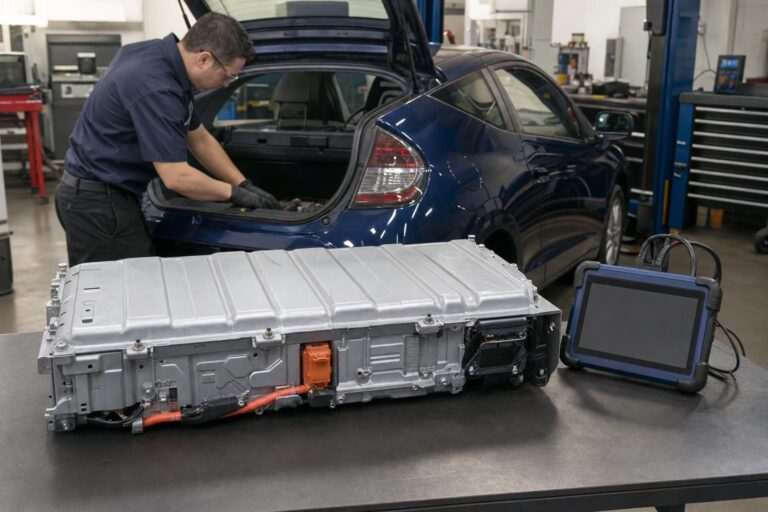
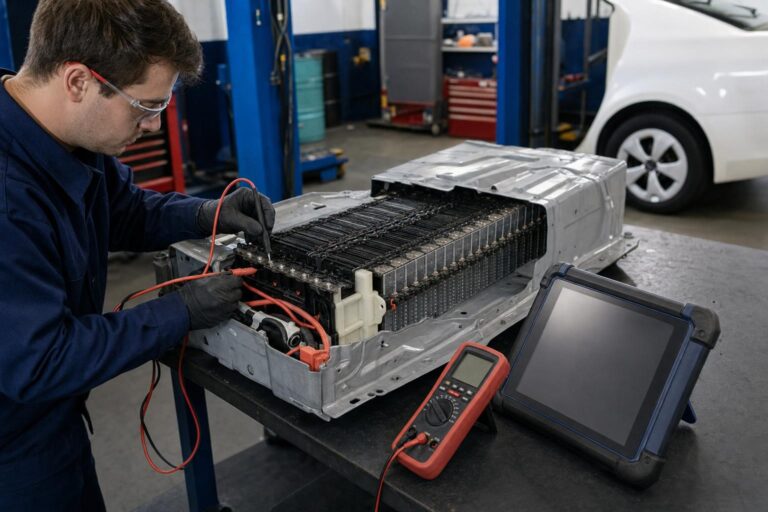
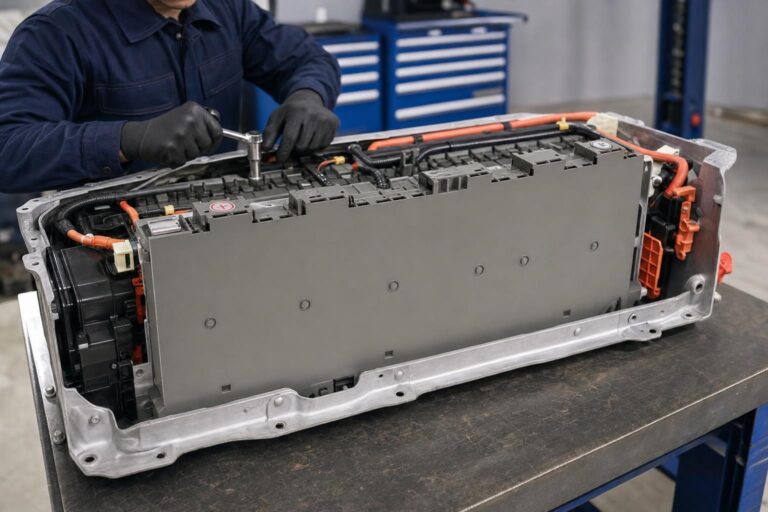
Soluções confiáveis de baterias híbridas































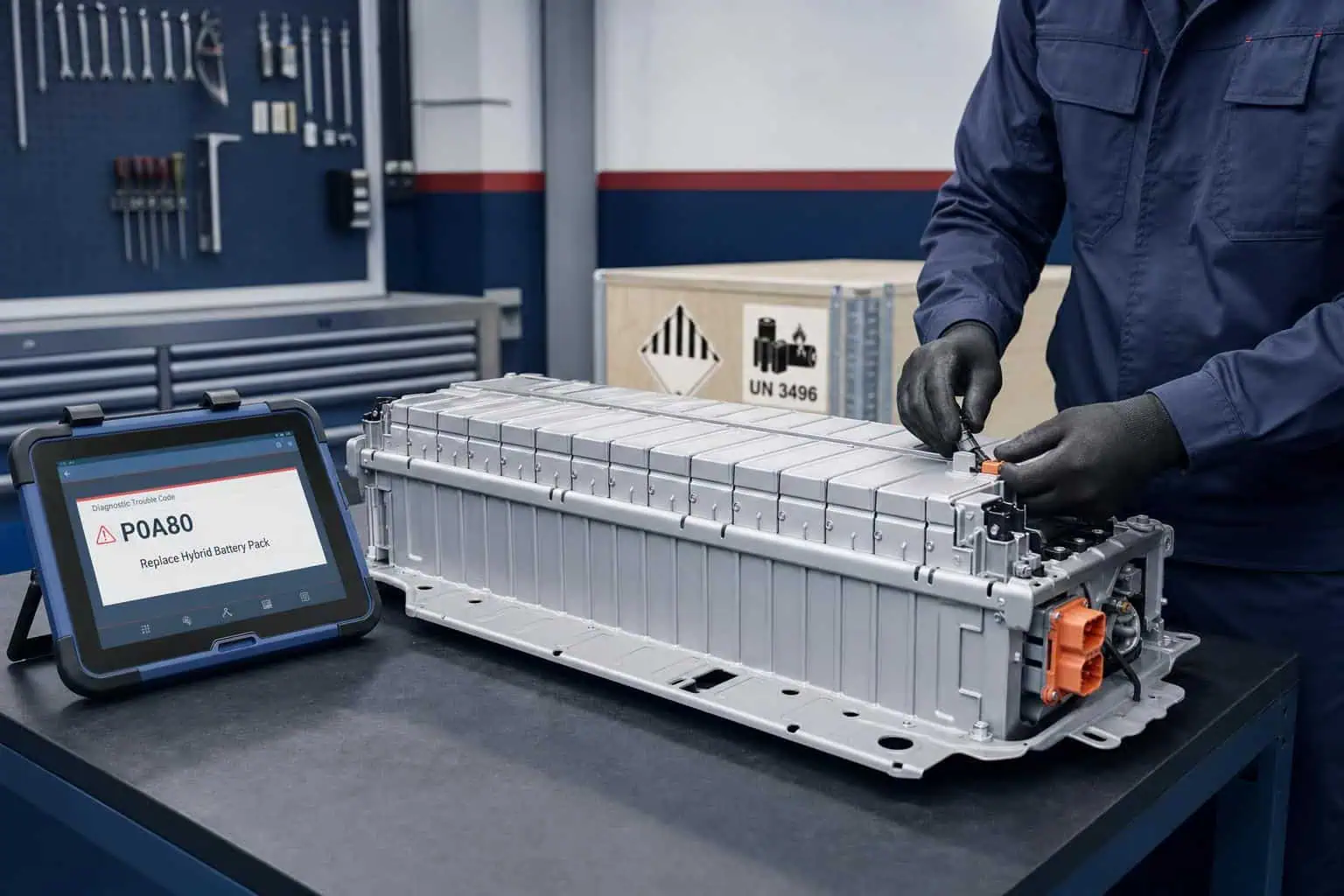
Substituição da bateria do Toyota Prius Hybrid em 2026: dos sinais de demanda P0A80 ao transporte transfronteiriço UN 3496.
Um guia baseado em evidências para 2026 sobre a substituição da bateria do Toyota Prius híbrido para compradores B2B internacionais: como os sinais de degradação P0A80 impulsionam a demanda, como a compatibilidade entre as gerações 2 e 4 difere e como enviar novos pacotes NiMH com especificações OEM em conformidade com as normas UN 3496 e IATA A199.

A substituição da bateria do Toyota Prius híbrido continua sendo uma das decisões de fornecimento mais importantes no mercado independente de peças de reposição para híbridos, porque os conjuntos de baterias NiMH dos Prius de 2004 a 2015 (Geração 2 e Geração 3) estão entrando em seu período de maior degradação. Para oficinas de reparação, distribuidores e operadores de frotas fora da China, a questão prática em 2026 já não é a mesma. se esses pacotes precisam ser substituídos, mas Como interpretar os sinais de demanda de diagnóstico, encontrar a compatibilidade exata com o ano do modelo e enviar uma nova bateria NiMH de especificação OEM em conformidade com as normas internacionais.. Esta referência começa com o diagnóstico P0A80 que impulsiona a demanda, passa pela adequação geração por geração e termina com as atuais normas de transporte UN 3496 e IATA, além de uma lista de verificação de aquisição que você pode aplicar imediatamente.
Por que a substituição da bateria do Prius híbrido continua sendo uma das buscas mais populares e com maior intenção de compra?
O Toyota Prius é a plataforma híbrida mais amplamente utilizada no mundo, e sua bateria de tração é um item de desgaste. Em todas as gerações, desde os carros da primeira geração (2001-2003) até os modelos de 2016 em diante, os padrões de busca são consistentes: os compradores procuram por um substituição de bateria do toyota prius, um substituição de bateria híbrida prius, ou um termo específico para um determinado ano, como por exemplo Substituição da bateria híbrida Toyota Prius 2007 ou Substituição da bateria do Toyota Prius 2010. O objetivo principal por trás de todas essas opções é o mesmo: encontrar uma bateria de substituição confiável e com as especificações corretas.
Para um público B2B, essa consistência é fundamental. Significa que uma estratégia de estoque única e bem gerenciada, baseada em novas baterias NiMH com especificações OEM, pode atender a uma ampla gama de anos-modelo, desde que a compatibilidade seja garantida. A oportunidade comercial é duradoura, e não sazonal, porque a base instalada de veículos Prius de segunda e terceira geração é grande e está envelhecendo simultaneamente. A OKACC Hybrid Batteries é uma fabricante independente que se concentra exclusivamente em novas baterias híbridas NiMH de reposição, fabricadas para atender às especificações OEM, o que a torna ideal para atender a essa demanda constante e plurianual.
Sinalização do lado do serviço em 2026: degradação Gen2/Gen3 e o código P0A80
Em 2026, as operadoras de serviços híbridos móveis relataram que uma parcela crescente de suas chamadas de serviço agora envolve veículos Toyota Prius de segunda geração (2004–2009) e terceira geração (2010–2015). Ambas as gerações utilizam um Pacote de baterias NiMH de 28 módulos e 201,6 volts, e a degradação normalmente começa entre 100.000 e 150.000 milhas, de acordo com orientações publicadas em junho de 2026. Como muitos desses carros ultrapassaram esse limite de quilometragem praticamente ao mesmo tempo, a demanda por substituição se concentrou.
O indicador técnico mais claro é o código de diagnóstico de falhas. P0A80 (“Substituir bateria híbrida”), entre as falhas específicas de sistemas híbridos mais frequentemente registradas em baterias NiMH degradadas do Prius. É geralmente acompanhado Um triângulo vermelho de aviso aceso, consumo de combustível reduzido e uma ventoinha de arrefecimento da bateria que funciona continuamente são sinais de alerta. Para distribuidores e redes de oficinas, esses sintomas indicam uma previsão de demanda: um volume crescente de diagnósticos do código P0A80 em uma frota regional aponta diretamente para a necessidade de substituição da bateria em curto prazo.
A cobertura da mídia automotiva, atualizada em junho de 2026, também observou uma mudança mais ampla no mercado em relação à forma como os compradores... Avaliar opções de baterias híbridas — incluindo diagnósticos baseados em smartphones e uma distinção mais clara entre opções de reparo para peças novas, remanufaturadas e em nível de módulo. Para compradores B2B, a principal conclusão é planejar o estoque com base em diagnósticos verificáveis, em vez de palpites.
Visão geral da compatibilidade por ano e geração do modelo
A compatibilidade correta é o fator mais importante na substituição da bateria do Prius híbrido. A mesma busca abrange componentes muito diferentes dependendo da geração, portanto, primeiro filtre pela geração do chassi e depois confirme o ano do modelo específico.
| Geração | Anos-modelo | Arquitetura típica de bateria NiMH | Perfil típico do comprador atendido |
|---|---|---|---|
| Geração 1 (NHW11) | 2001–2003 | Pacote NiMH, arquitetura mais antiga | Proprietários e oficinas que fazem manutenção em SUVs de primeira geração. |
| Geração 2 (NHW20) | 2004–2009 | Bateria NiMH de 28 módulos e 201,6 volts | Alta demanda pelo liftback de segunda geração |
| Geração 3 (ZVW30) | 2010–2015 | Bateria NiMH de 28 módulos e 201,6 volts | Demanda principal de substituição de veículos de terceira geração |
| Geração 4 (ZVW50) | 2016+ | NiMH ou íon-lítio, dependendo da qualidade/mercado | Compradores de modelos mais recentes que devem confirmar a compatibilidade química antes de fazer o pedido. |
| Prius C (Aqua) | variante subcompacta | Bateria NiMH compacta, encaixe perfeito. | Oficinas que fazem manutenção no subcompacto Prius C / Aqua |
| Prius V (Alpha/+) | Variante Wagon/MPV | Variante de carroceria maior, encaixe diferenciado. | Frotas e famílias que utilizam o modelo de carroceria perua/MPV |
Três dicas práticas para compradores. Primeiro, o Prius C e o Prius V não são intercambiáveis com o hatchback padrão, apesar de compartilharem o nome Prius; trate-os como itens separados ao planejar o estoque. Segundo, os veículos de 4ª geração (2016+) podem usar baterias NiMH ou de íon-lítio, dependendo da versão e do mercado, portanto, confirme a composição química antes de presumir que uma bateria NiMH seja compatível. Terceiro, sempre confirme a compatibilidade consultando o número VIN do veículo e a referência da peça da bateria, em vez de apenas o ano do modelo, pois existem revisões no meio do ciclo de vida e versões regionais.
Novas baterias NiMH de especificação OEM para substituição versus alternativas recondicionadas: uma visão neutra
O mercado oferece diversas opções para adquirir uma bateria Prius em bom funcionamento: baterias novas fabricadas de acordo com as especificações do fabricante original, baterias remanufaturadas ou recondicionadas e reparos em nível de módulo. Cada uma delas apresenta vantagens e desvantagens, e um comprador profissional deve compreendê-las claramente.
- Novo substituto NiMH com especificações OEM: Um pacote completo de novas células/módulos fabricados de acordo com as especificações originais. Isso oferece idade uniforme das células e a vida útil mais previsível em todo o pacote — uma vantagem na instalação para aplicações de varejo com garantia ou para frotas.
- Pacotes remanufaturados/recondicionados: Oferecidos por diversas terceiras partes, utilizando módulos recuperados ou de diferentes idades. Trata-se de produtos de mercado distintos, com seus próprios modelos de controle de qualidade e garantia. São mencionados aqui apenas para fins de contexto.
- Reparo em nível de módulo: Substituição de módulos individuais com defeito. Menor custo inicial, mas a idade variada dos módulos pode reduzir o intervalo até a próxima falha.
A OKACC Hybrid Batteries produz e vende apenas baterias híbridas NiMH novas, projetadas para atender às especificações dos fabricantes de equipamentos originais (OEM). A OKACC não produz, reforma, remanufatura, recondiciona ou vende baterias híbridas usadas, de segunda mão ou reconstruídas; seus conjuntos de baterias são fornecidos exclusivamente como novos. A etiqueta concisa do produto é a Nova bateria híbrida NiMH de substituição com especificações OEM. Note que "especificação OEM" descreve apenas o padrão de especificação pretendido — não significa que o produto seja genuíno da Toyota, original da Toyota ou fornecido pela montadora. Os conjuntos de baterias OKACC são baterias de substituição independentes. As opções de remanufatura e reparo de módulos descritas acima são alternativas de mercado separadas e não são produtos ou processos da OKACC.
O panorama da conformidade internacional para baterias NiMH em 2026
O fornecimento transfronteiriço de baterias híbridas é agora condicionado tanto pela classificação de transporte quanto pela compatibilidade. As baterias NiMH são consideradas mercadorias perigosas para fins de transporte marítimo, e a documentação correta evita custos elevados de retenção em fronteiras e portos. As orientações abaixo refletem fontes verificadas pela última vez em julho de 2026; os textos regulamentares mudam, portanto, verifique novamente as edições atuais antes do envio.
Oceano e IMDG: ONU 3496
As diretrizes de frete internacional atualizadas em março de 2026 confirmam que os conjuntos de baterias híbridas NiMH são classificados na categoria ONU 3496 para transporte marítimo/IMDG — diferente das baterias de íon-lítio, que se enquadram nas normas UN 3480/3481. Essa classificação se aplica às baterias NiMH em geral. O mesmo se aplica às baterias NiMH. notas de orientação É necessário apresentar uma Declaração de Mercadorias Perigosas para remessas marítimas com massa bruta superior a 100 kg. Dado o peso de uma bateria Prius completa, a maioria das remessas consolidadas B2B ultrapassará esse limite. Observe que a responsabilidade pela classificação e declaração corretas recai sobre o remetente e o agente de carga, e não sobre o fornecedor da bateria.
Transporte aéreo: Disposição Especial A199 da IATA
Para o transporte aéreo de cargas, o cenário é diferente. Abaixo Disposição Especial A199 da IATA, As baterias NiMH geralmente não são consideradas restritas para transporte aéreo, desde que o remetente evite curto-circuito e ativação acidental. É importante ressaltar que a norma UN 3496 é utilizada para a classificação de baterias NiMH em documentação marítima/IMDG, e não em documentação de transporte aéreo — portanto, o modo de envio altera a declaração que você deve preparar.
Documentação do mercado da UE
Os compradores que importam para ou através da União Europeia devem também acompanhar a evolução dos requisitos de rotulagem e documentação do Regulamento da UE sobre Baterias, que afetam a forma como as baterias são marcadas e registadas à medida que entram no mercado. Confirme as obrigações atuais com o seu transitário e importador registado antes de se comprometer com um cronograma de envio.
Lista de verificação de compras para compradores B2B internacionais
Utilize esta lista de verificação para passar de um sinal de demanda baseado no código P0A80 para uma ordem de compra compatível e corretamente especificada.
- Previsão a partir de diagnósticos. Monitore a frequência do código P0A80, os avisos de triângulo vermelho e o comportamento da ventoinha de arrefecimento em toda a sua frota de veículos em manutenção para prever o volume de substituição de carros de segunda e terceira geração.
- Confirme a compatibilidade com precisão. Primeiro, verifique a geração (Gen1–Gen4, Prius C, Prius V) e, em seguida, compare com o VIN e a referência da bateria — nunca apenas com o ano do modelo. Para a Gen4, confirme se a bateria é de NiMH ou de íon-lítio.
- Verificar conformidade com as especificações do fabricante original. Solicite a voltagem, a quantidade de módulos e a arquitetura da bateria (para Gen2/Gen3, a configuração de 28 módulos e 201,6 volts) e confirme se atendem às especificações originais.
- Observe as normas de segurança para alta tensão. As baterias Gen2/Gen3 operam a 201,6 V; a instalação e a remoção devem ser realizadas apenas por técnicos treinados, utilizando ferramentas isoladas e com o plugue de serviço desconectado, seguindo o procedimento de serviço correspondente.
- Prepare os documentos de envio corretos para cada modalidade. Utilize a classificação UN 3496 e uma Declaração de Mercadorias Perigosas para remessas marítimas com mais de 100 kg; aplique as condições IATA A199 para qualquer frete aéreo.
- Confirme a rotulagem da UE/mercado. Antes do envio, verifique junto ao seu importador ou transportadora as obrigações de documentação vigentes no âmbito do Regulamento da UE sobre Baterias.
- Garantia e rastreabilidade do documento. Registre os dados de lote/número de série e os termos de garantia do fornecedor por embalagem para dar suporte à sua própria garantia de varejo ou de frota.
- Planejar o manuseio do núcleo. Decida antecipadamente como as embalagens usadas serão armazenadas, transportadas e recicladas, em conformidade com as normas locais para o transporte de produtos perigosos.
Posicionamento: uma solução de embalagem inovadora e em conformidade com as normas para lojas, distribuidores e frotas.
Para compradores B2B fora da China que desejam um processo de fornecimento previsível e documentado, a nova bateria híbrida NiMH de especificação OEM da OKACC é fabricada para atender às especificações originais e fornecida exclusivamente como baterias novas. Isso é ideal para oficinas independentes de reparo de híbridos que buscam células com idade uniforme para instalações com garantia, distribuidores que padronizam o estoque para atender à demanda do Prius de 2ª a 4ª geração e operadores de frotas ou táxis que gerenciam veículos com alta quilometragem e que já atingiram o limite de degradação das baterias NiMH.
Como a OKACC produz baterias de acordo com as especificações dos fabricantes de equipamentos originais (OEM), os compradores podem integrar a verificação de compatibilidade, a classificação de envio e a documentação de mercado em um único fluxo de trabalho de aquisição repetível. Se você está planejando o estoque para atender à crescente demanda por substituições de Gen2/Gen3, entre em contato com um representante de vendas da OKACC para confirmar a compatibilidade e as especificações dos modelos desejados antes de emitir seu pedido de compra.
Perguntas frequentes
O que é o código P0A80 e por que ele é importante para o fornecimento?
O código P0A80 significa "Substituir a bateria híbrida" e é uma das falhas mais frequentemente registradas em baterias NiMH de segunda e terceira geração do Prius, geralmente acompanhada de um triângulo vermelho de aviso, redução no consumo de combustível e acionamento contínuo da ventoinha de resfriamento. Um número crescente de diagnósticos de P0A80 em uma frota em manutenção é um forte indício de demanda iminente por substituição das baterias.
Quais gerações do Prius compartilham a mesma arquitetura de bateria NiMH?
Os modelos Prius liftback de segunda geração (2004–2009) e terceira geração (2010–2015) utilizam uma bateria NiMH de 28 módulos e 201,6 volts. Os modelos de primeira geração (2001–2003), quarta geração (2016+), Prius C e Prius V possuem especificações diferentes e devem ser tratados como itens separados. A quarta geração pode utilizar baterias NiMH ou de íon-lítio, dependendo da especificação e do mercado. Sempre confirme as especificações pelo número VIN e pela referência da bateria.
Como as baterias NiMH Prius serão classificadas para envio internacional em 2026?
Para transporte marítimo/IMDG, as baterias NiMH são classificadas segundo a norma UN 3496, sendo necessária uma Declaração de Mercadorias Perigosas para remessas marítimas com massa bruta superior a 100 kg. Para transporte aéreo, a Disposição Especial A199 da IATA geralmente considera as baterias NiMH como "Não Restritas" se forem evitados curto-circuitos e ativações acidentais. O modo de transporte determina a documentação necessária, sendo a responsabilidade pela declaração correta do remetente e do transitário.
"Especificações OEM" significa que a bateria é uma peça genuína da Toyota?
Não. "Especificação OEM" descreve o padrão de especificação que o produto foi projetado para atender. As baterias OKACC são baterias de reposição independentes e não são peças genuínas da Toyota, originais da Toyota, OEM da Toyota ou fornecidas pela montadora.
A OKACC vende baterias Prius recondicionadas ou reformadas?
Não. A OKACC produz e vende apenas baterias híbridas NiMH novas, projetadas para atender às especificações dos fabricantes de equipamentos originais (OEM). Ela não produz nem vende baterias recondicionadas, remanufaturadas, reconstruídas, usadas ou de segunda mão. Opções de remanufatura e reparo de módulos existem no mercado em geral, mas são produtos separados, não oferecidos pela OKACC.
Uma única estratégia de substituição pode abranger vários anos-modelo?
Em parte, sim, pois a segunda e a terceira gerações compartilham a arquitetura de 28 módulos e 201,6 volts, o que permite que um estoque padronizado de baterias novas atenda a uma ampla gama de modelos liftback de 2004 a 2015. Essa compatibilidade não se estende à quarta geração (2016 em diante) nem aos modelos Prius C e Prius V, que exigem baterias específicas. É imprescindível confirmar a compatibilidade pelo número VIN e referência da bateria para cada veículo antes da instalação.
O que devo verificar antes de emitir uma ordem de compra internacional?
Confirme a compatibilidade com a geração e o ano do modelo, verifique a conformidade com as especificações do fabricante (voltagem, número de módulos, arquitetura), prepare os documentos de envio adequados ao modo de transporte (UN 3496 para transporte marítimo, IATA A199 para transporte aéreo), verifique as obrigações de rotulagem da UE, se aplicável, e registre os dados de lote/número de série e garantia para rastreabilidade posterior. Você pode entrar em contato com um representante de vendas da OKACC para confirmar os detalhes das especificações para os anos dos modelos desejados.